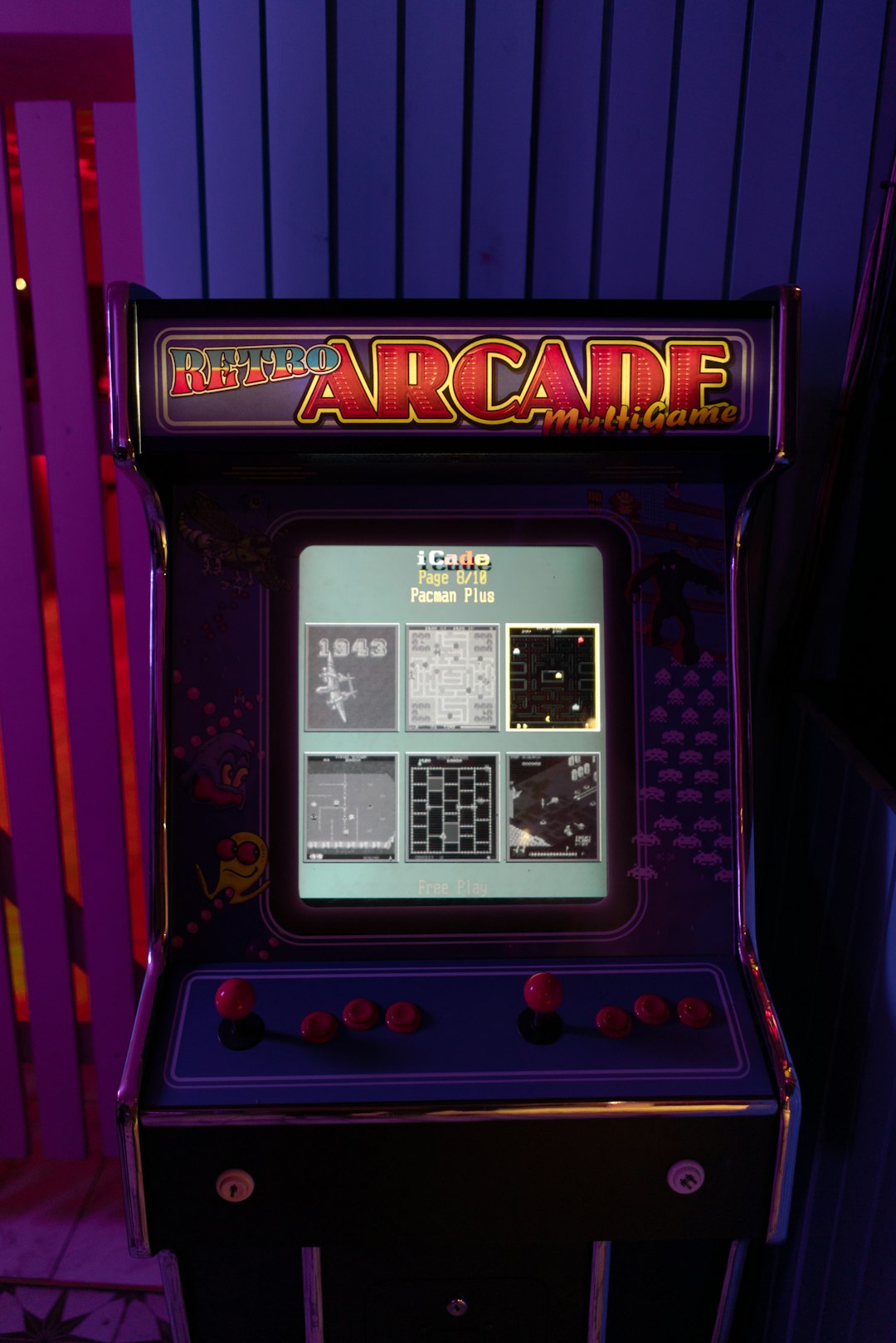
Pixel art has experienced a remarkable renaissance in modern gaming. What was once born from technical necessity has evolved into a deliberate artistic choice embraced by indie developers and major studios alike. Today's pixel art games combine nostalgic aesthetics with contemporary design sensibilities, creating visually striking experiences that resonate with both veteran gamers and newcomers to the medium.
The Enduring Appeal of Pixel Art
In an era where photorealistic graphics dominate mainstream gaming, pixel art's continued popularity might seem counterintuitive. However, pixel art offers unique advantages that transcend mere nostalgia. The medium forces artists to work with intentional limitations, requiring careful consideration of every pixel placed. This constraint breeds creativity, resulting in clean, readable designs that communicate effectively without overwhelming visual complexity.
Pixel art also possesses timeless aesthetic qualities. While realistic graphics inevitably age as technology advances, well-crafted pixel art maintains its appeal across decades. Games like Celeste, Stardew Valley, and Undertale demonstrate how pixel art can create emotionally resonant experiences that connect with modern audiences. These games prove that artistic vision and strong design principles matter more than raw graphical fidelity.
Essential Tools and Software
Modern pixel artists have access to sophisticated tools that streamline the creation process while maintaining the medium's essential character. Software like Aseprite has become the industry standard, offering features specifically designed for pixel art creation including onion skinning for animation, tile map editors, and palette management tools. Aseprite's affordable price point and extensive feature set make it accessible to aspiring artists while remaining powerful enough for professional work.
Other popular options include Pyxel Edit, which excels at tileset creation and level design, and GraphicsGale, which offers robust animation capabilities. For artists preferring open-source solutions, programs like GIMP and Krita can be configured for pixel art work, though they require more initial setup. Regardless of software choice, the fundamental principles of pixel art remain consistent—understanding these principles matters more than mastering any specific tool.
Understanding Color Theory and Palettes
Color selection represents one of pixel art's most critical aspects. Limited palettes force artists to make intentional choices about how colors interact and complement each other. Classic games often worked with severe color restrictions—NES games used palettes of just 54 colors, with only four colors per sprite. While modern pixel artists aren't bound by such limitations, embracing palette constraints can produce cohesive, visually harmonious artwork.
Effective pixel art palettes typically include carefully selected hues that work together to create depth, contrast, and visual interest. Artists often start with a base palette of 8-16 colors, expanding only when necessary. Understanding color relationships—complementary colors, analogous colors, and color temperature—helps create palettes that feel intentional rather than arbitrary. Many successful indie games use restricted palettes as distinctive stylistic signatures, making their artwork immediately recognizable.
Fundamental Techniques and Principles
Pixel art mastery requires understanding several core techniques. Anti-aliasing in pixel art involves carefully placed intermediate colors that smooth edges without blurring details. Dithering creates the illusion of additional colors or gradients by alternating pixels in patterns. Careful line work ensures readable silhouettes and clear form communication. Consistent light sources create believable depth and volume.
Animation in pixel art demands special consideration. Limited frames require artists to capture essential motion while eliminating unnecessary frames. Techniques like squash and stretch, anticipation, and follow-through remain relevant even at low resolutions. Many classic games achieved remarkably fluid animation with just a handful of frames by understanding fundamental animation principles and applying them thoughtfully.
Creating Characters and Sprites
Character design in pixel art balances distinctive visual identity with technical constraints. Successful pixel art characters communicate personality, role, and function through economical visual design. Strong silhouettes ensure characters remain recognizable even as small sprites. Strategic use of color helps characters pop against backgrounds. Exaggerated proportions and features compensate for limited detail resolution.
Character sprites must work from multiple angles and in various states—idle, walking, running, attacking, and more. Planning these states during initial design prevents inconsistency issues later. Many artists create comprehensive sprite sheets showing all character states and animations, ensuring visual consistency across the entire set. This planning investment pays dividends during implementation, reducing revision time and maintaining artistic coherence.
Environmental and Background Art
Pixel art environments create immersive game worlds through layered backgrounds, parallax scrolling, and atmospheric details. Effective environment art balances visual interest with gameplay clarity—players need to distinguish interactive elements from decorative backgrounds. Color and contrast help establish this hierarchy, with interactive objects typically featuring brighter, more saturated colors.
Tile-based design remains fundamental to pixel art environment creation. Artists create modular tiles that connect seamlessly, allowing level designers to build varied environments from limited assets. Well-designed tilesets include corner pieces, transition tiles, and variations that prevent repetitive patterns. Modern pixel art games often combine tile-based backgrounds with hand-painted details, creating environments that feel both structured and organic.
Modern Innovations and Hybrid Approaches
Contemporary pixel art increasingly embraces hybrid techniques that would have been impossible in classic gaming eras. High-resolution pixel art works at larger canvas sizes, allowing more detail while maintaining pixel art's distinctive aesthetic. Rotational effects, lighting shaders, and particle effects add dynamism while respecting pixel art's fundamental character. Some games combine pixel art characters with 3D backgrounds or vice versa, creating unique visual identities.
These innovations demonstrate pixel art's flexibility and continued evolution. Rather than remaining frozen in nostalgic recreation of 8-bit and 16-bit aesthetics, modern pixel artists push boundaries, exploring what the medium can achieve with contemporary tools and techniques. This progressive approach keeps pixel art relevant and exciting for new audiences while respecting its historical foundations.
Learning Resources and Community
Aspiring pixel artists have access to abundant learning resources. Websites like Lospec offer comprehensive pixel art tutorials, palette collections, and community galleries. YouTube channels provide video tutorials covering everything from basic techniques to advanced animation. Online communities on platforms like Discord and Reddit offer critique, feedback, and encouragement from fellow artists.
Practice remains the most critical element of improvement. Many artists recommend starting with small projects—simple character sprites, individual tiles, or short animations. These focused exercises build fundamental skills without overwhelming beginners. Studying professional pixel art helps develop visual literacy—understanding why certain choices work and how masters of the craft solve common problems.
Commercial Success and Career Opportunities
The thriving indie game scene has created genuine career opportunities for skilled pixel artists. Successful indie games demonstrate that pixel art appeals to modern audiences willing to support quality games regardless of graphical style. Platforms like Steam, itch.io, and console marketplaces provide distribution channels where pixel art games compete on equal footing with bigger-budget productions.
Pixel artists find work creating game assets, designing UI elements, producing promotional artwork, and more. Some work as freelancers, others join indie studios, and some create and sell asset packs for other developers. The barrier to entry remains relatively low—a decent computer and affordable software suffice to start building a portfolio. Success requires dedication, continuous improvement, and understanding both artistic fundamentals and game design principles.
Conclusion: The Future of Pixel Art
Pixel art's future looks bright as new generations of artists discover the medium's unique appeal. Rather than being supplanted by advancing technology, pixel art has carved out a permanent place in gaming's diverse artistic landscape. Its accessibility, distinctive aesthetic, and timeless qualities ensure continued relevance for decades to come.
For aspiring pixel artists, the message is clear: focus on fundamentals, embrace constraints as creative opportunities, and never stop learning. The tools and resources available today make this an ideal time to begin a pixel art journey. Whether creating commercial games, personal projects, or simply exploring a fascinating art form, pixel art offers endless creative possibilities for those willing to master its unique challenges and opportunities.